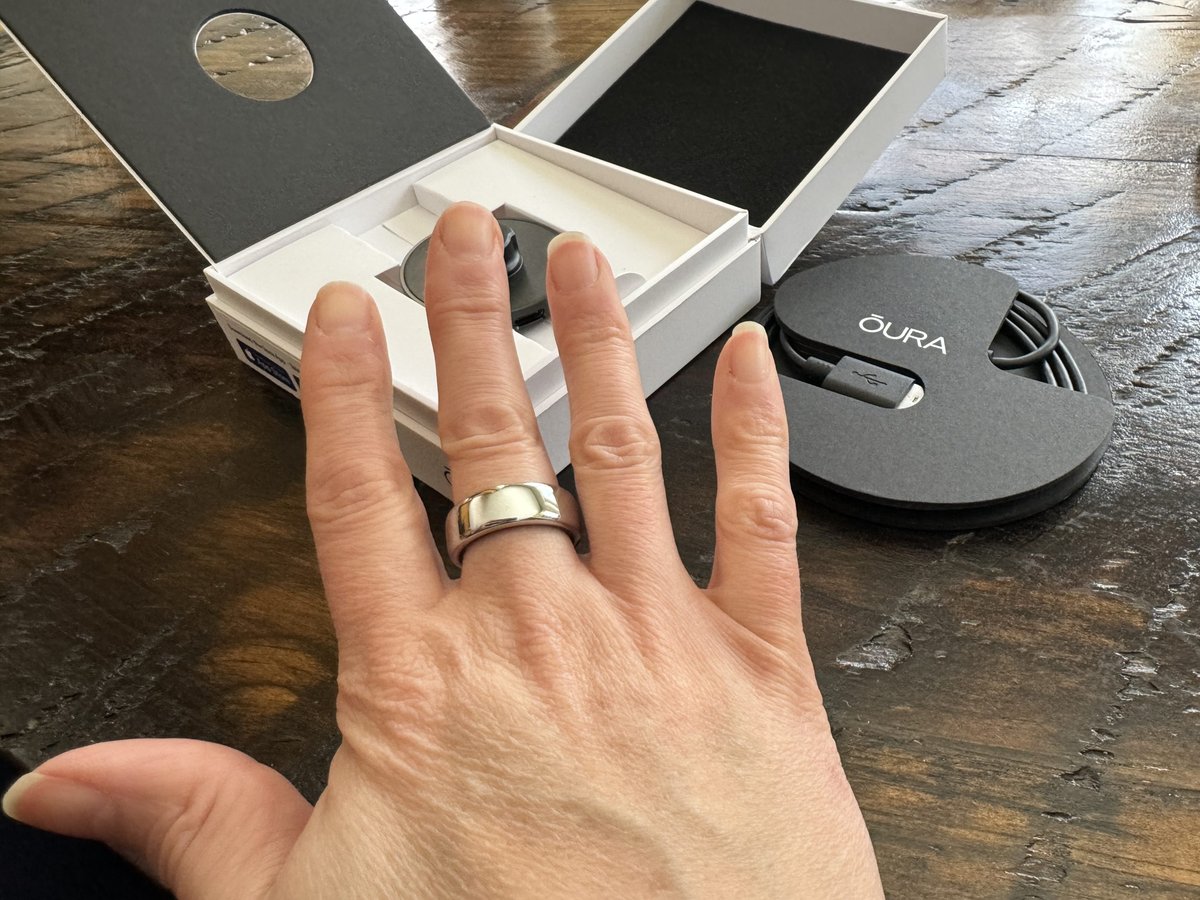
The Oura Ring has long been the gold standard in discreet, screen-free health tracking, synonymous with insightful sleep and recovery data. But in a rapidly expanding market, it's no longer the only game in town. As new contenders emerge, some offering compelling features without the monthly subscription, a crucial question arises: Does the Oura Ring still reign supreme, or have its competitors finally caught up – and perhaps even surpassed – it? This comprehensive guide dives deep into the "Oura Ring vs. Competitors: A Comparative Analysis" to help you navigate the bustling world of smart rings and find the perfect fit for your wrist, or rather, your finger.
At a Glance: Smart Ring Essentials
Choosing a smart ring can feel like deciphering a cryptic puzzle, but these key takeaways will set you on the right path:
- Oura Ring is the benchmark: Currently at $349 with a mandatory $5.99/month subscription for full features.
- Subscription vs. No Subscription: Many alternatives, like the Samsung Galaxy Ring ($399) and Ringconn Gen 2 Air ($200), offer full data access without ongoing fees. This can significantly offset higher upfront costs over time.
- Focus on Sleep & Recovery: Smart rings excel at tracking sleep quality, heart rate variability (HRV), skin temperature, and activity.
- Not a Smartwatch Replacement: Generally, smart rings lack screens, GPS, advanced workout modes, and features like ECG or blood pressure monitoring (though some upcoming or niche rings are changing this).
- Compatibility Matters: The Samsung Galaxy Ring is primarily Android-focused, requiring a Samsung phone for full functionality. Always check if a ring works with your smartphone.
- Sizing is Key: Most brands require a sizing kit to ensure a snug fit for accurate data collection.
- Durability & Water Resistance: While often made of robust materials like titanium, rings can still scratch. Most are water-resistant enough for showering and swimming.
The Appeal of the Invisible Wearable: Why Smart Rings?
In a world saturated with notifications and glowing screens, smart rings offer a refreshing alternative. They're discreet, elegant, and provide continuous health monitoring without demanding your attention. Imagine getting insightful data on your sleep, recovery, and stress levels just by wearing a stylish piece of jewelry. That's the core promise.
These rings typically track vital metrics like heart rate, heart rate variability (HRV), skin temperature, blood oxygen (SpO2), and activity levels (steps, calories). They synthesize this data into actionable scores and insights, often through a companion app, helping you understand your body's readiness for the day or your recovery needs after a workout. For a deeper dive into the overall value proposition, you might want to consider Is the Oura Ring worth it?.
However, it's crucial to manage expectations. Smart rings are not smartwatches. They generally don't have GPS, offer limited workout tracking capabilities, and rarely include advanced medical-grade sensors like ECG or blood pressure (though some specialized models are pushing these boundaries). Their strength lies in passive, continuous monitoring, particularly for sleep and general well-being. If you're looking for exhaustive workout metrics or on-device notifications, a smartwatch is likely a better fit. You can explore the differences further by understanding the core distinctions between smartwatches and smart rings.
Navigating the Choices: Key Decision Factors for Smart Rings
Before you commit to a smart ring, consider these critical elements that go beyond just the initial price tag.
1. Subscription Costs: The Hidden Expense
This is perhaps the biggest differentiator in the current smart ring landscape. The Oura Ring, for instance, requires a mandatory monthly membership ($5.99/month) to access its full suite of data and insights. Over a few years, this adds up significantly, potentially doubling your initial investment.
Many newer competitors, however, are launching with a "no ongoing subscription" model. This means your upfront purchase price is all you pay for full access to your health data. While some of these rings might have a higher initial cost, they can become more economical in the long run. Always calculate the total cost of ownership over 2-3 years to get a true picture.
2. Phone Compatibility: Ecosystem Lock-in
Not all rings play nice with every phone. The most prominent example is the Samsung Galaxy Ring, which is designed for Android users, with its most advanced features requiring a Samsung Galaxy phone to unlock their full potential. If you're an iPhone user, such platform-specific rings might not be an option, or you might miss out on key functionalities.
Before buying, double-check the companion app's availability and full feature set for your specific smartphone (iOS or Android). This ensures you're not purchasing a device that's limited by your current tech ecosystem.
3. Sizing & Fit: The Foundation of Accuracy
A smart ring's accuracy hinges on a snug, comfortable fit. The sensors need to maintain consistent contact with your skin to capture reliable data on heart rate, temperature, and blood oxygen. Most smart ring companies, including Oura, offer or require a sizing kit before you order your actual ring.
Don't skip this step! Wearing a ring that's too loose will lead to inaccurate readings, rendering the device largely useless. One that's too tight will be uncomfortable and could even restrict circulation. Take your time with the sizing kit, wearing the dummy rings for a day or two to ensure the perfect fit across different activities and temperatures.
4. Durability & Water Resistance: Built for Life
Smart rings are meant to be worn continuously, through workouts, showers, and daily life. This means durability is paramount. Most rings are crafted from robust materials like titanium, known for its strength and lightweight properties. However, even titanium can scratch, especially if you're active or work with your hands.
Water resistance is also a crucial factor. Look for ratings like 5ATM (suitable for showering and shallow swimming) or 10ATM (more robust for swimming and even light diving). If you're a swimmer or frequently exposed to water, a higher rating offers peace of mind. For insights into maintaining your smart ring and choosing one that lasts, you might find our guide on choosing a durable smart ring helpful.
5. Data & Insights: What Do You Actually Get?
Beyond just raw numbers, what kind of actionable insights does the ring's app provide? Does it offer clear explanations for your scores? Does it connect patterns between your sleep, activity, and stress? Some apps go deeper, offering personalized coaching, circadian rhythm analysis, or even integration with other health tools.
Consider whether the app's interface is intuitive and if the data presentation aligns with how you prefer to digest information. The best rings don't just collect data; they translate it into meaningful advice that empowers you to make healthier choices. Understanding how smart rings analyze your sleep can help you evaluate a ring's efficacy in this key area.
The Benchmark: Understanding the Oura Ring 4
The Oura Ring has been the pioneer and remains a strong contender, often setting the standard against which others are measured.
- Price: $349 for the ring itself.
- Subscription: Mandatory $5.99/month for full access to data and insights.
- Core Features: Excellent for sleep tracking (stages, efficiency, latency), recovery metrics (HRV, resting heart rate, skin temperature), and activity monitoring. It provides a Readiness Score, Sleep Score, and Activity Score.
- Design: Multiple finishes and designs, discreet and comfortable.
- Sizing: Requires a sizing kit (sizes 4-15).
- Limitations: Requires a subscription, limited advanced workout tracking, no GPS, generally no ECG or blood pressure monitoring.
The Oura Ring's strength lies in its refined algorithms and user-friendly app, which make complex health data easily digestible. However, its recurring subscription model is increasingly a point of contention for many potential buyers looking for a one-time purchase.
The Contenders: A Deep Dive into Oura Ring Alternatives
Now, let's explore the leading alternatives currently on the market or launching soon, comparing their strengths and weaknesses against the Oura Ring.
1. Samsung Galaxy Ring
The Android Powerhouse (and Oura's Newest Rival)
Set to be a major disruptor, the Samsung Galaxy Ring leverages Samsung's vast ecosystem to offer a compelling, subscription-free alternative.
- Launch: July 2024.
- Price: Around $399 (no ongoing subscription).
- Compatibility: Android-only, with full features (like enhanced AI insights) optimized for Samsung Galaxy phones.
- Features: Strong on sleep accuracy, activity tracking, and recovery metrics (including sleep coaching and an "Energy Score" similar to Oura's Readiness Score). It boasts AI-powered insights within the Samsung Health app and a "Double Pinch" gesture for basic phone control. Period prediction is included, though not as deeply integrated as Oura's Natural Cycles partnership. Exercise heart rate tracking is good, but manual workout starts are recommended for accuracy.
- Sizes: 5-15.
- Weight: 2.3-3 grams.
- Downsides: Its biggest limitation is its Android-only nature, alienating iPhone users. While it integrates well with Samsung's ecosystem, it doesn't offer distinct advantages over Galaxy smartwatches in terms of advanced health sensors (lacking ECG, BIA, or BP). Some early tests indicated potentially inaccurate SpO2 scores.
The Galaxy Ring is poised to be a strong competitor, especially for existing Samsung users, by offering premium features without the ongoing subscription.
2. Ultrahuman Ring Air
The Circadian Rhythm Specialist
The Ultrahuman Ring Air initially carved a niche for its focus on circadian rhythms and stimulant management.
- Price: $349 (no ongoing subscription).
- Features: Monitors heart rate, skin temperature, blood oxygen, steps, workouts, and sleep. Its unique selling points include a strong focus on circadian rhythms, an "Adenosine Clearance Window" to guide caffeine intake, and women's health tracking (cycle, ovulation, pregnancy tracking, with deeper insights as paid features). It also has the ability to integrate with Continuous Glucose Monitors (CGM) via an optional M1 sensor package for advanced users.
- Weight: 2.4-3.6g (making it lighter than Oura).
- Durability: Made of "fighter jet grade Titanium," but users have reported it can be prone to scratches.
- Availability: Crucially, as of October 21, 2025, the Ultrahuman Ring Air is no longer for sale in the U.S. due to a patent dispute with Oura. Sales continue outside the U.S. This legal challenge highlights the competitive pressures in the smart ring market.
For those outside the U.S. seeking deep circadian insights and CGM integration, the Ultrahuman Ring Air remains a powerful, subscription-free option.
3. Amazfit Helio Ring
The Budget-Friendly Option
The Amazfit Helio Ring offers an accessible entry point into smart ring technology, particularly for those who prioritize basic tracking without breaking the bank.
- Price: $199 (no subscription).
- Features: Provides essential sleep stats, heart rate monitoring, and basic activity tracking. Initially, some deeper insights into rest, recovery, and workouts (branded as Zepp Aura and Zepp Fitness features) were paywalled, but as of October 2024, these features became free, significantly enhancing its value. It boasts up to four days of battery life and a robust 10ATM water resistance, making it suitable for more intense water activities. The companion app is available for both Apple App Store and Google Play Store.
- Compatibility: Companion app available for Apple App Store and Google Play Store.
- Limitations: Its primary drawbacks include a lack of automatic workout recognition, limited workout options (mostly walking, running, cycling, treadmill), and restricted sizing (US8, US10, US12 only), which might be a dealbreaker for many.
- Weight: 3.75-4g.
The Amazfit Helio Ring is an attractive choice for those on a tighter budget who want a basic, reliable tracker without a subscription, especially now that its advanced features are free.
4. Ringconn Gen 2 Air
The Long-Lasting, Data-Rich Sleeper
The Ringconn Gen 2 Air (and its slightly slimmer sibling, the Gen 2) has garnered attention for its comprehensive sleep insights and exceptional battery life, offering a strong, subscription-free proposition.
- Price: $200 (no subscription).
- Features: Excels in comprehensive sleep insights, providing a detailed sleep score, heart rate, respiratory rate, HRV, SpO2, body temperature, and 7-day trends. It offers 24/7 vitals monitoring with useful abnormal reading alerts.
- Battery Life: An impressive 8-10 days per charge, significantly longer than many competitors. The Gen 2 model promises even more (10-12 days).
- Durability: Offers 100 meters water resistance and is generally reported to be fairly scratch-resistant.
- Limitations: It's not designed for serious fitness tracking, with limited workout modes and insights. Some users have noted that the inner sensors may protrude slightly, potentially affecting comfort for some.
- Availability: After settling a patent dispute with Oura, RingConn continues to sell its Gen 2 Air and Gen 2 rings in the US, paying royalties.
The Ringconn Gen 2 Air is an excellent choice for individuals whose primary focus is in-depth, continuous sleep tracking and general health monitoring, valued for its long battery life and lack of subscription.
On the Horizon: Upcoming Smart Rings to Watch (Expected 2025)
The smart ring market is evolving rapidly, with several exciting new players expected to launch in Spring 2025.
- Circular Ring 2: Expected at $349 with no subscription. It will offer sizes 6-13 and an app-based sizing tool. A key feature will be the inclusion of an ECG monitor, potentially making it one of the first smart rings to offer this advanced heart health tracking.
- Luna Ring: Expected at $300 with no subscription. It promises compatibility with both Android and iPhone, and its charging case will offer month-long top-ups, indicating excellent overall battery longevity.
- Reebok Smart Ring: This new entrant will require a $99/year fee after the first year, adding another subscription model to the market.
These upcoming devices suggest a trend towards more advanced health features (like ECG) and continued competition on pricing models. This influx of innovation promises a richer selection for consumers interested in the evolving landscape of wearables.
Niche Players: Specialized Smart Rings
Beyond the mainstream options, a few specialized rings cater to specific needs.
- Movano Evie Ring:
- Focus: Female-focused health tracking.
- Features: Measures heart rate, HRV, sleep, respiratory rate, temperature, and blood oxygen. It was relaunched in September 2024 to address initial issues and improve its offering, designed with women's unique health needs, including menstrual cycle and menopause symptom tracking, specifically in mind.
- Prevention Circul+:
- Focus: Medical-grade tracking.
- Features: Offers advanced, FDA-approved features including ECG, blood pressure (after cuff calibration), oximetry (blood oxygen tracking across all skin tones), heart rate, and temperature.
- Limitations: It's significantly bulkier than other smart rings due to its advanced sensors and has a shorter battery life of about 16 hours. Its primary purpose is not discreet everyday tracking but rather serious health monitoring. For those specifically monitoring heart rate variability, understanding leveraging HRV for recovery insights might be valuable, which this ring can provide in a clinical context.
These specialized rings demonstrate the potential for smart ring technology to move beyond general wellness into more specific or even medical applications.
The Legal Ring: Patent Battles and Market Shifts
The smart ring market isn't just about innovation; it's also about intellectual property. Oura, as the pioneer, has been proactive in defending its patents.
- Ultrahuman Ring Air: As mentioned, Oura's patent disputes led to a U.S. import ban on the Ultrahuman Ring Air, a significant setback for the company in one of the world's largest markets.
- RingConn: RingConn also faced patent challenges from Oura but settled the dispute, agreeing to pay royalties to Oura. This agreement allows RingConn to continue selling its smart rings in the U.S., ensuring its presence in the competitive landscape.
These legal battles underscore the value of patented technology in this burgeoning market and illustrate how intellectual property can shape product availability and market competition.
Making Your Choice: Beyond the Spec Sheet
With so many options, how do you pick the right smart ring for you? It comes down to prioritizing your needs and understanding the trade-offs.
Who is the Oura Ring still best for?
- Users who value refined algorithms and a polished user experience: Oura's app and insights are incredibly well-developed and easy to understand.
- Those who don't mind a subscription: If the monthly fee isn't a deterrent, Oura provides consistent, high-quality data.
- Individuals prioritizing sleep and recovery above all else: Oura remains a leader in these core areas.
Who should look elsewhere?
- Budget-conscious buyers: The ongoing subscription can make Oura significantly more expensive over time.
- Android users tied to the Samsung ecosystem: The Galaxy Ring offers compelling integration and features without a subscription.
- People seeking specific, advanced features: Upcoming rings with ECG or specialized medical-grade trackers might offer more for specific health concerns.
- Those prioritizing maximum battery life: Rings like Ringconn offer superior battery longevity.
Prioritizing Features vs. Cost
- If budget is paramount: Look at the Amazfit Helio Ring or Ringconn Gen 2 Air for subscription-free options.
- If advanced features (like ECG) are critical: Consider waiting for upcoming rings like the Circular Ring 2 or exploring the niche Prevention Circul+.
- If ecosystem integration is key: Samsung Galaxy Ring for Android users.
- If comprehensive sleep and general wellness without subscription is the goal: Ringconn Gen 2 Air is a strong contender.
Future-Proofing Your Investment
The smart ring market is still young and evolving rapidly. What's cutting-edge today might be standard tomorrow. Consider whether a company has a history of software updates, new feature rollouts, and strong customer support. A ring's value isn't just in its hardware but in the continuous improvements to its accompanying software.
Your Next Step: Finding Your Perfect Fit
The landscape of smart rings is richer and more competitive than ever, moving beyond Oura's singular dominance. Whether you're an athlete seeking recovery insights, someone aiming to improve sleep, or simply curious about your body's daily rhythms, there's likely a smart ring tailored to your needs.
Before making a final decision, take these steps:
- Define your priorities: What metrics are most important to you? Is a subscription a deal-breaker?
- Check compatibility: Ensure the ring works seamlessly with your smartphone.
- Order a sizing kit: This is non-negotiable for accurate data and comfort.
- Read recent reviews: Technology evolves quickly; newer reviews often reflect current performance and software updates.
By carefully considering your needs and weighing the options presented in this "Oura Ring vs. Competitors: A Comparative Analysis," you'll be well-equipped to choose a smart ring that genuinely enhances your health and well-being. The future of discreet health tracking is here, and it's full of choices.