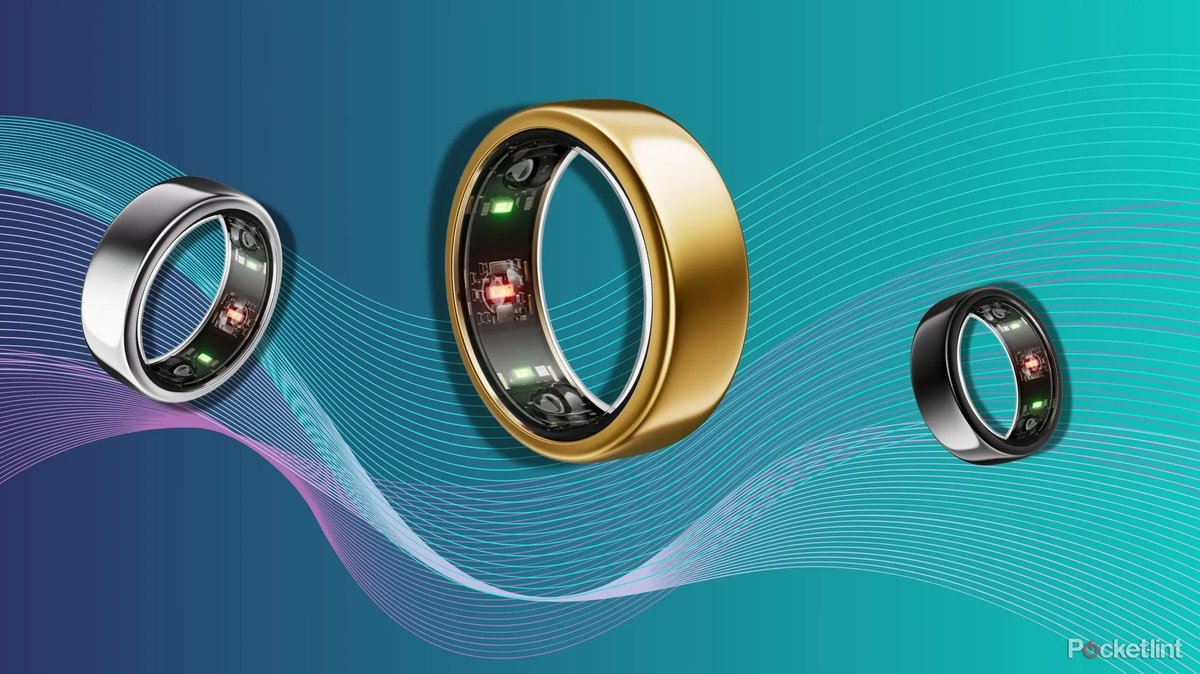
The world of personal wellness is buzzing with innovation, and few devices have captured the collective imagination quite like the Oura Ring. This sleek, screenless smart ring promises to unlock a deeper understanding of your body's needs, turning passive biometric data into actionable insights. But beyond the hype, what's the actual Oura Ring user experience, pros, and cons for everyday wearers? Is it the wellness wizard it's often made out to be, or does its minimalist design hide significant compromises?
As a seasoned journalist who's explored countless health tech trends, I've seen devices that deliver and those that disappoint. The Oura Ring is a unique beast, operating on a philosophy of gentle awareness rather than aggressive performance tracking. Let's peel back the layers and examine what it's truly like to live with this smart ring, weighing its strengths against its limitations to help you decide if it belongs on your finger.
At a Glance: What You Need to Know About the Oura Ring
- Core Purpose: Provides personalized health insights focusing on sleep, recovery, activity, and overall wellness. It's a self-awareness tool.
- Design: A sleek, screenless smart ring worn 24/7, typically on the index, middle, or ring finger. Requires a smartphone for all interactions.
- Key Data Points: Tracks sleep stages, heart rate, heart rate variability (HRV), body temperature deviation, blood oxygen (Oura Ring 4), and activity levels.
- Unique Insights: Offers a daily "Readiness Score" to gauge recovery and guide your day, alongside detailed sleep and temperature trends.
- Pros: Highly accurate sleep tracking, excellent HRV and temperature sensing, superb battery life, comfortable design, and a well-designed app.
- Cons: Premium price, mandatory monthly subscription for full features, limited intense workout tracking, and relies entirely on your phone.
- Best For: Individuals prioritizing sleep, recovery, and stress management, who prefer passive tracking and are willing to act on insights.
- Not For: Fitness enthusiasts needing real-time workout metrics, GPS, or those averse to subscriptions or constant data analysis.
Beyond the Bling: Understanding the Oura Ring's Core Philosophy
The Oura Ring isn't just another gadget; it's a statement about how we interact with our health data. Born in Finland in 2013, Oura Health set out to create a wearable that disappears into the background, silently collecting vital signs without demanding constant attention or a glowing screen. Its core philosophy revolves around awareness, not performance. Instead of pushing you to 'do more,' it encourages you to understand your body's signals, guiding you towards better recovery and sustainable well-being.
This ethos is embedded in its very design. With no buttons or display, the Oura Ring is a master of subtlety. It slips onto your finger, a prime location for collecting rich biometric data thanks to strong, consistent blood flow. Inside, a suite of advanced sensors works around the clock: optical heart rate sensors, infrared sensors for blood oxygen (SpO2, particularly in the Oura Ring 4), skin temperature sensors, and an accelerometer. This continuous stream of data is seamlessly synced to the Oura app on your smartphone, where raw numbers are transformed into digestible scores, long-term trends, and actionable insights, empowering you to make informed decisions about your day.
The Upside: What Makes the Oura Ring a Game-Changer
When people rave about the Oura Ring, they're often talking about these specific features. The device genuinely shines in several key areas, offering insights that can feel truly transformative.
Unlocking Better Sleep: A Deep Dive into Your Nights
This is, arguably, the Oura Ring's flagship capability, and where it truly sets itself apart. While many wearables track sleep, Oura's approach is both comprehensive and incredibly insightful. It doesn't just tell you when you slept; it dissects the quality of that sleep with impressive precision.
You'll wake up to detailed breakdowns of your:
- Total Sleep Time: The straightforward duration of your slumber.
- Sleep Stages: Crucially, it tracks how much time you spend in light, deep (restorative), and REM (dreaming, memory consolidation) sleep. Understanding these proportions is key to assessing sleep quality.
- Sleep Efficiency: The percentage of time you spend actually sleeping while in bed.
- Sleep Latency: How long it takes you to fall asleep.
- Nighttime Awakenings & Restlessness: Identifying disruptions that fragment your sleep.
- Overnight Heart Rate & Heart Rate Variability (HRV): These metrics, particularly HRV, are powerful indicators of recovery and stress, even during sleep.
- Blood Oxygen Levels (SpO2): The Oura Ring 4 introduced infrared sensors to measure SpO2, offering insights into breathing regularity and potential disturbances during the night.
- Breathing Rate: Another subtle yet significant indicator of your physiological state during sleep.
The beauty here lies not just in the data collection but in its presentation. The Oura app translates this complex information into easy-to-understand graphs and scores, always maintaining a calm, non-judgmental tone. It emphasizes patterns and consistency over individual nightly fluctuations, helping you see the bigger picture of how lifestyle choices impact your restorative sleep. For instance, a persistent dip in deep sleep after late-night meals or increased alcohol consumption becomes strikingly clear, offering a gentle nudge towards healthier habits.
The Recovery Compass: Harnessing Heart Rate Variability (HRV) and Body Temperature
Beyond sleep stages, the Oura Ring excels at providing two crucial recovery metrics that are often overlooked by other devices: Heart Rate Variability and Body Temperature Deviation.
Heart Rate Variability (HRV): Your Stress Thermometer
HRV is the tiny variation in time between your heartbeats. A higher HRV generally indicates a well-recovered, adaptable nervous system, ready to tackle stress. A lower HRV often signals fatigue, illness, or high stress. Oura measures this with excellent accuracy, making it a cornerstone of its recovery insights. Imagine seeing your HRV drop after a particularly stressful work week or a tough workout; the Oura app then provides context, helping you understand how different stressors, both physical and mental, impact your body's ability to bounce back.
Body Temperature Deviation: Sensing Subtle Shifts
Your nightly skin temperature provides a fascinating window into your internal state. Oura measures nightly skin temperature deviations from your personal baseline. This isn't about giving you an exact temperature reading, but rather highlighting meaningful changes. This data can be incredibly useful for:
- Early Illness Detection: A significant sustained temperature spike might be the first sign you're fighting something off, allowing you to rest before symptoms fully manifest.
- Overtraining Signals: Athletes can use temperature drops to spot signs of overreaching or impending fatigue, prompting them to dial back intensity.
- Hormonal Shifts & Cycle Tracking: For women, temperature patterns are a well-established method for tracking menstrual cycles, identifying ovulation, and understanding hormonal health. Oura integrates this naturally, offering proactive insights.
These passive, continuous measurements offer a powerful, non-invasive way to stay tuned into your body's subtle signals.
Your Daily Performance Predictor: The Readiness Score
Perhaps the Oura Ring's most beloved feature is its daily Readiness Score, a single number out of 100 that encapsulates your body's recovery level. This isn't just a random calculation; it's a sophisticated algorithm that synthesizes multiple data points, including:
- Resting Heart Rate (RHR): A low, stable RHR is a good sign of recovery.
- Heart Rate Variability (HRV): As discussed, a key indicator of your nervous system's resilience.
- Sleep Quality & Consistency: How well you slept and how regular your sleep patterns have been recently.
- Body Temperature Deviations: Any significant shifts indicating stress or illness.
- Activity Balance: Ensuring you haven't overdone it or been too sedentary.
The Readiness Score serves as a daily prompt, guiding your activity levels. A high score suggests you're well-recovered and can push yourself, while a low score advises prioritizing rest and recovery. This pragmatic approach helps users avoid burnout, optimize training, and simply listen to their bodies rather than blindly pushing through fatigue. It's a proactive tool for sustainable well-being, helping you calibrate your energy expenditure to your actual physiological state.
Movement, Not Metrics: Simple Activity Tracking
Unlike a dedicated fitness watch, the Oura Ring's approach to activity tracking is intentionally understated. It's not designed for real-time performance metrics during intense workouts, nor does it feature GPS. Instead, it focuses on general movement awareness, aiming to support an active lifestyle without becoming obsessive.
It reliably measures:
- Daily Movement: Overall activity levels throughout the day.
- Step Count: Your total steps.
- Activity Intensity: How vigorous your movement has been.
- Calories Burned: An estimate of your daily caloric expenditure.
- Inactivity Alerts: Gentle nudges to move if you've been sedentary for too long.
- Automatic Activity Detection: It often recognizes walks, runs, and other common activities without manual input.
This minimalist approach aligns with Oura's "awareness over performance" philosophy. It encourages consistent, moderate activity rather than fixating on peak performance, making it ideal for those who want to track general well-being without the pressure of a fitness tracker. If you enjoy a long walk, practice yoga, or simply want to ensure you're not too sedentary, Oura's activity tracking fits the bill perfectly.
Power That Lasts: Exceptional Battery Life
One of the less glamorous but highly appreciated aspects of the Oura Ring is its outstanding battery life. With the Oura Ring 3, you could expect up to seven days on a single charge. The newer Oura Ring 4 maintains this impressive standard, typically offering five to eight days of continuous use.
This longevity is a huge convenience factor, especially for a device designed for 24/7 wear. You don't have to worry about charging it daily or even every other day, which is a common complaint with smartwatches. When it does need a boost, it charges rapidly, typically reaching full power in just one to two hours. It even includes an "airplane mode" feature, allowing you to conserve battery life further if you're not syncing data for a period. This means fewer interruptions and more consistent data collection, crucial for building reliable long-term trends.
Discreet & Durable: Design That Blends In
The Oura Ring’s design is a triumph of form and function. Crafted from lightweight yet sturdy titanium, it’s built for continuous wear, including during sleep, showering, and everyday activities. The smooth, fully enclosed design means there are no snags, sharp edges, or protruding sensors to irritate your skin. The Oura Ring 4, in particular, features recessed sensors, further enhancing comfort and durability.
Available in a selection of colors and finishes—including classic silver, stealth black, and even ceramic options—it looks more like a piece of jewelry than a piece of tech. This discreet aesthetic is key to its appeal. Many users appreciate not having a bulky watch on their wrist, especially during sleep. Its robust construction ensures it can withstand the rigors of daily life, making it a truly 'wear-and-forget' device that seamlessly integrates into your lifestyle.
The Intelligence Hub: Navigating the Oura App
While the ring itself is screenless, the magic truly happens within the Oura app. Far from being a mere data dump, the app is a masterclass in user experience, offering a polished, intuitive, and deeply informative interface.
Upon opening, you're greeted with your daily scores for Readiness, Sleep, and Activity, providing an instant snapshot of your well-being. But the app goes much deeper, presenting weekly and monthly trends that reveal fascinating patterns in your health data. It doesn't just show you numbers; it provides educational insights, explaining what the data means and how it relates to your overall health. For example, if your Readiness is low, it might highlight poor sleep efficiency as a contributing factor and offer suggestions like adjusting your bedtime or creating a better sleep environment.
The tone of the app is consistently supportive and non-competitive. There are no leaderboards or aggressive challenges; instead, the focus is on personal improvement and understanding. An "explore" section further enriches the experience, offering guided meditations, breathing exercises, and educational content on various aspects of health and recovery. This thoughtful design ensures that the data is not overwhelming but empowering, guiding you towards better habits without feeling like a chore.
The Reality Check: Where the Oura Ring Falls Short
No device is perfect, and the Oura Ring, for all its brilliance, has its limitations. Understanding these drawbacks is crucial to setting realistic expectations and deciding if it's the right fit for your needs.
A Screen-Free World: Relying on Your Smartphone
This is the most obvious trade-off for its minimalist design: the Oura Ring has no screen or buttons. This means for all data viewing, insight exploration, or even just checking your battery life, you are entirely dependent on your smartphone and the Oura app.
For many, this is part of the appeal – out of sight, out of mind. But it can be a minor inconvenience if you want a quick check of your heart rate or readiness without grabbing your phone. If you're someone who prefers real-time feedback on your wrist, or if you frequently leave your phone behind, this screenless design might feel restrictive. There's no quick glance to see your steps or sleep score without actively opening the app, which might disrupt the flow of your day for some users.
The Price of Insight: Premium Hardware, Ongoing Subscription
The Oura Ring is a premium device, and its pricing reflects that. The Oura Ring 4 starts at around £349 / $349, with some of the more stylish finishes commanding an even higher price. This initial investment is significant, placing it in the same league as some high-end smartwatches.
However, the cost doesn't stop there. To unlock the full suite of personalized insights, detailed sleep breakdowns, readiness scores, and long-term trend analysis, a monthly subscription is required. This "Oura Membership" costs £5.99 / $5.99 per month after an initial free month. While you do get limited functionality (basic sleep, readiness, and activity scores) without the subscription, the true power and utility of the Oura Ring lie behind that paywall. This ongoing cost can be a deal-breaker for budget-conscious consumers or anyone averse to subscription models for hardware they already own.
The "New Toy" Effect: Diminishing Novelty Over Time
Like many tech gadgets, the Oura Ring offers its most profound benefits and steepest learning curve in the initial months or years of use. During this period, you're learning how your body responds to various inputs – diet, exercise, stress, alcohol, travel. The insights feel fresh, and the discoveries are exciting.
However, over time, as you understand your personal baselines and patterns, the data can become more predictable. While still valuable for maintaining consistency and catching anomalies, the "aha!" moments might become less frequent. Some long-term users report that the initial novelty diminishes, and while the data remains useful, it no longer provides the same level of profound new learning. This isn't necessarily a flaw, but an observation that the most significant behavioral shifts often happen early on.
Not a Gym Buddy: Limited Workout Tracking
If you're a dedicated athlete or fitness enthusiast looking for a comprehensive workout tracker, the Oura Ring will likely fall short. It is not designed for intense fitness training or providing real-time performance metrics during exercise.
Here's what it lacks:
- GPS: No built-in GPS means it can't accurately map your outdoor runs or rides without relying on your phone.
- Real-time Heart Rate Zones: While it tracks heart rate, it doesn't display it in real-time on your finger, nor does it typically offer granular heart rate zone training guidance during a workout.
- Sport-Specific Metrics: It won't track your swim laps, cycling cadence, or advanced running dynamics.
- Display: The lack of a screen makes it impossible to check stats mid-workout.
While it can auto-detect some activities and estimate calories burned, it's not a replacement for a dedicated running watch, a multisport GPS watch, or even many fitness trackers that offer more robust workout features. Its activity tracking is geared towards general movement and recovery impact, not peak athletic performance analysis.
Getting Started: Sizing Up Your Oura Ring
Ensuring a proper fit is paramount for the Oura Ring to collect accurate data and provide a comfortable user experience. Oura sizes are unique and do not correspond to standard ring sizes, so guessing your size is a recipe for disappointment.
The recommended and highly advised method for purchasing is directly from the official Oura website. Before you commit to a ring, Oura offers a free sizing kit. This kit contains plastic dummy rings of all available Oura sizes. You should wear these plastic rings for at least 24 hours (including during sleep) to determine the most comfortable and secure fit. The Oura Ring is typically worn on the index, middle, or ring finger. Choose the finger that feels most natural and where the ring sits snugly but not uncomfortably tight – it shouldn't spin freely, but it also shouldn't feel restrictive when your fingers swell slightly. A good fit ensures continuous sensor contact for optimal data collection.
The Verdict: Is the Oura Ring Truly Worth the Investment?
Deciding whether the Oura Ring is worth its premium price and ongoing subscription fee boils down to your personal priorities, lifestyle, and what you hope to gain from a wearable device. It’s not for everyone, but for a specific type of user, it can be an invaluable tool.
Who Thrives with an Oura Ring? (Recommended Users)
The Oura Ring genuinely shines for individuals who:
- Prioritize Sleep Quality: If you consider sleep the foundation of your health and want detailed, actionable insights to improve it, Oura is a top contender.
- Seek Stress and Recovery Insights: Those interested in understanding their body's capacity for stress and its recovery needs, especially through HRV and temperature data, will find it invaluable.
- Prefer Passive Tracking: If you dislike bulky watches, constant notifications, or devices that demand attention, Oura's screenless, 'wear-and-forget' nature is ideal.
- Dislike Wearing Watches at Night: Many find smartwatches uncomfortable for sleep; the ring form factor is often much preferred.
- Value Minimalism: Its discreet design and focus on core health metrics appeal to those who prefer less digital clutter.
- Are Willing to Use Insights to Adjust Habits: The Oura Ring is a self-awareness tool; it works best for people who are proactive about using data to make lifestyle changes over time, rather than just passively observing. It acts as a continuous feedback loop, helping you understand how your body responds to life, work, and stress. If you're someone who is pondering Is the Oura Ring worth it?, your commitment to acting on data is a key factor.
Who Might Be Disappointed? (Not Recommended Users)
Conversely, the Oura Ring is likely not the right choice for those who:
- Want Detailed Fitness Metrics: If you need real-time pace, distance, GPS tracking for runs, or in-depth workout analysis, a dedicated sports watch is a better investment.
- Require GPS Tracking: Lacks built-in GPS, making it unsuitable for serious outdoor activity tracking without a paired phone.
- Dislike Subscriptions: The mandatory monthly fee for full functionality can be a deal-breaker.
- Prefer Real-time Data: If you like to glance at your wrist for immediate feedback on steps, heart rate, or notifications, the Oura Ring won't satisfy.
- Ignore Data or Find It Stressful: If you're likely to ignore the app's insights or become anxious over daily scores, the device might add more stress than value.
- Obsess Over Daily Scores: While the scores are helpful, focusing too much on daily fluctuations rather than long-term trends can lead to unnecessary anxiety.
- Expect It to Replace a Dedicated Fitness Watch: It’s a recovery and wellness tracker, not a comprehensive sports performance monitor.
Common Pitfalls: Avoiding Oura Ring Missteps
To truly get the most out of your Oura Ring, it's helpful to be aware of some common mistakes users make:
- Obsessing Over Daily Scores: While interesting, individual daily scores are snapshots. The true power lies in identifying long-term trends and patterns. Don't let a single low Readiness Score derail your entire day; instead, consider what might have contributed and how you can adjust.
- Wearing the Wrong Size: An ill-fitting ring leads to inaccurate data and discomfort. Always use the sizing kit!
- Expecting It to Replace a Fitness Watch: This is a fundamental misunderstanding of the Oura Ring's purpose. It complements, rather than replaces, a dedicated fitness tracker for serious athletes.
- Ignoring Long-Term Trends: The Oura app is designed to show you trends over weeks and months. This is where you'll gain the most profound insights into how your lifestyle impacts your health.
- Not Adjusting Habits Based on Insights: The data is only as valuable as your willingness to act on it. If you consistently see poor sleep quality after late-night meals but never change your eating habits, the ring becomes just another data display.
Beyond Oura: Exploring Smart Ring Alternatives
The smart ring market is growing, and while Oura is a leader, it's not the only player. If some of Oura's drawbacks give you pause, a few notable alternatives offer different feature sets and value propositions.
RingConn: The Subscription-Free Contender
RingConn emerged as a strong alternative, primarily appealing to users who are put off by Oura's monthly subscription fee.
Pros:
- No Monthly Subscription: This is RingConn's biggest draw, offering significant long-term savings.
- Long Battery Life: Comparable to Oura, often providing up to seven days on a single charge.
- Solid Sleep Tracking: Tracks sleep stages, heart rate, and movements effectively.
- Activity & Recovery Trends: Provides good basic tracking for daily activity and general recovery.
Cons: - Fewer Advanced Insights: While it tracks similar metrics, RingConn often provides less granular detail and fewer sophisticated insights into readiness and recovery compared to Oura.
- Less Polished App: The user experience and app design are generally considered less refined and educational than Oura's.
- Simpler Readiness Scoring: Its "Wellness Balance" score is less complex and comprehensive than Oura's Readiness Score.
- Less Educational Guidance: Offers fewer guided meditations or in-depth explanations of data compared to Oura's "Explore" section.
Best For: Budget-conscious buyers who want solid sleep and wellness tracking without the commitment of ongoing monthly fees, and who are content with more basic insights.
Samsung Galaxy Ring: An Ecosystem Play
Announced recently, the Samsung Galaxy Ring promises to be a major player, especially for existing Samsung users. While full details are still emerging, its expected features highlight a different approach.
Pros:
- No Monthly Subscription (Expected): Early indications suggest Samsung will integrate it fully into Samsung Health without an additional recurring fee, a significant advantage.
- Seamless Integration with Samsung Health: For owners of Samsung phones and other Galaxy devices, it will offer a unified health ecosystem experience.
- Lightweight and Comfortable Design: Designed for continuous wear, prioritizing comfort during sleep and daily activities.
Cons: - Best Features Limited to Samsung Phones: Similar to Apple Watch limitations, its full potential is likely tied to the Samsung ecosystem, potentially limiting its appeal for non-Samsung Android users or iPhone owners.
- Currently Offers Less Advanced Recovery Insights: As a newer entrant, it might initially offer fewer deep-dive recovery metrics or readiness-specific algorithms than Oura's established platform.
- Fewer Readiness Metrics (Potentially): While it will track core vitals, the depth of its readiness and recovery analytics might evolve over time.
Best For: Dedicated Samsung phone owners who are deeply embedded in the Samsung Health ecosystem and want a smart ring to complement their existing devices without monthly fees.
Your Path to Better Wellness Starts Here
The Oura Ring offers a compelling window into your body's vital signs, translating complex biometric data into understandable, actionable insights. It excels at helping you optimize your sleep, manage stress, and understand your recovery needs, all within a beautifully designed, unobtrusive package.
However, its premium price point, coupled with a mandatory monthly subscription for full features, means it's a significant investment that requires commitment. It's not a magic bullet, nor is it a replacement for a dedicated fitness watch. Its true power lies in its ability to foster self-awareness, nudging you towards healthier habits by showing you the undeniable impact of your lifestyle choices.
If you prioritize deep sleep insights, value a discreet design, are willing to pay for ongoing insights, and are committed to acting on the data to improve your well-being, the Oura Ring could be a transformative tool on your path to better health. But if real-time workout metrics, a screen, or a budget-friendly, subscription-free experience are higher on your list, exploring alternatives might be your better next step. Ultimately, the Oura Ring is a sophisticated guide, but you are the one who has to walk the path.