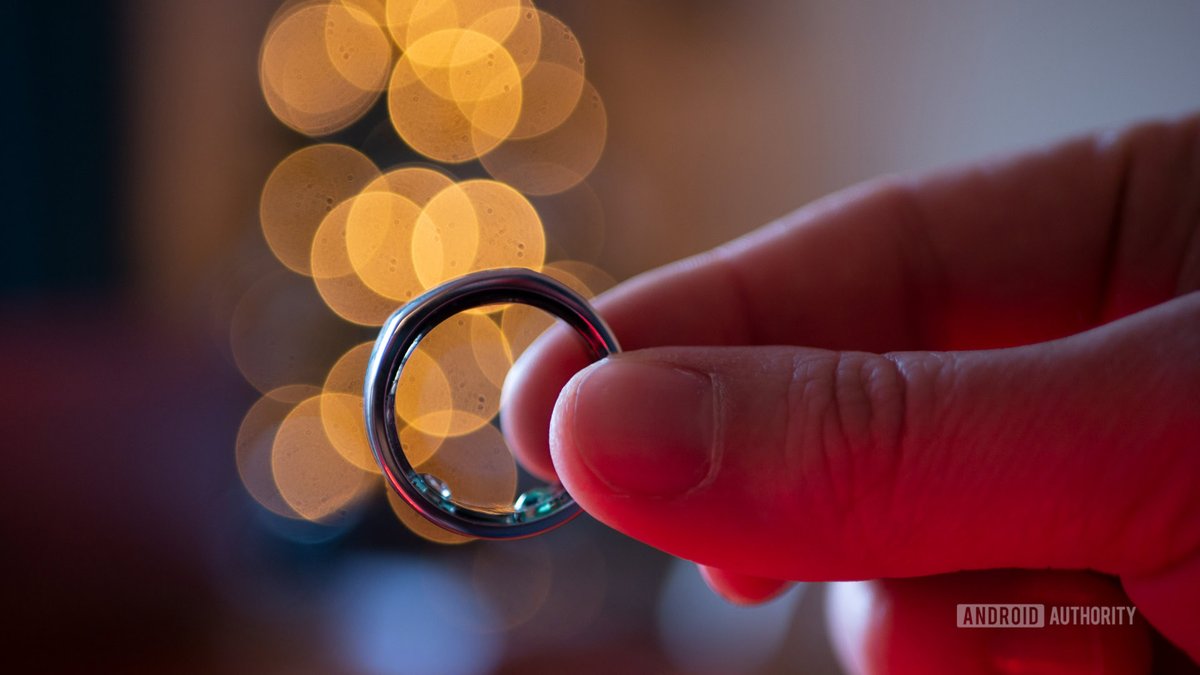
The allure of wearable technology promises a deeper understanding of our bodies, turning complex biological signals into actionable insights. Among these innovators, the Oura Ring stands out, a sleek smart ring designed to monitor various health and well-being metrics through advanced sensors. But with such advanced claims, the critical question arises: what do scientific studies really say about the Accuracy, Reliability, and Data Insights of the Oura Ring? Do its readings truly reflect your physiology, and can you trust its recommendations?
We've delved into the research to bring you a clear, authoritative, yet approachable guide to what the Oura Ring does well, where its limitations lie, and how you can interpret its data to empower your personal health journey.
At a Glance: Oura Ring Data Insights
- Sleep Tracking: Demonstrates good agreement with lab-grade polysomnography (PSG) for total sleep time (TST) and wake after sleep onset (WASO).
- Sleep Stages: Accuracy for distinguishing specific sleep stages like REM and light sleep can vary compared to PSG.
- Heart Rate & HRV: Provides accurate resting heart rate and Heart Rate Variability (HRV), specifically RMSSD, especially during sleep.
- Body Temperature: Accurately detects body temperature deviations, correlating with menstrual cycles and potential illness onset.
- Not a Medical Device: Oura Ring data should inform personal health tracking, not replace professional medical advice or diagnoses.
- Context Matters: Interpretation requires understanding study design, individual variation, and the difference between correlation and causation.
The Promise of Precision: What the Oura Ring Aims to Measure
Before we dissect its accuracy, let's understand the scope of the Oura Ring's monitoring capabilities. It's a sophisticated piece of technology packed with advanced sensors that work tirelessly to collect your biometric data. These insights are then crunched to give you a holistic picture of your well-being.
The core areas of focus for the Oura Ring, and thus the subject of most scientific scrutiny, include:
- Sleep Patterns: This isn't just about how many hours you clock. The Oura Ring attempts to differentiate between vital sleep stages—REM (Rapid Eye Movement), deep sleep (slow-wave sleep), and light sleep—along with overall sleep quality and efficiency. Understanding these stages is crucial for recovery, cognitive function, and emotional regulation.
- Cardiovascular Health: Two key metrics here are your resting heart rate (RHR) and heart rate variability (HRV). RHR is a fundamental indicator of fitness and recovery, while HRV, which measures the variations in time between heartbeats, offers a window into your autonomic nervous system, reflecting stress levels and your body's recovery state.
- Body Temperature Deviations: The ring monitors subtle changes in your body temperature, not just the absolute temperature. These deviations can be significant indicators, particularly for tracking menstrual cycles and potentially signaling the early onset of an illness.
- Activity Levels: From steps taken to calories burned and overall daily movement, the Oura Ring tracks your physical activity, helping you understand your energy expenditure and encouraging a balanced lifestyle.
- Early Illness Detection & Recovery: By continuously monitoring a combination of these biometrics, research explores the ring’s potential to identify shifts that might precede illness or indicate that your body needs more time to recover from stress or exertion.
These varied data points aim to provide a comprehensive digital footprint of your health, guiding you towards better habits and greater self-awareness. But how well does it actually perform these intricate measurements?
Peeling Back the Data: Where Oura Ring's Accuracy Shines (and Where It Doesn't)
When evaluating any health tracker, the gold standard is usually a comparison against established medical or research-grade equipment. For the Oura Ring, scientific studies have been crucial in validating its capabilities.
Sleep Tracking: A Mixed Picture of Precision
When it comes to understanding your nightly rest, the Oura Ring has shown some impressive strengths, but also areas where its accuracy is less precise.
- Total Sleep Time (TST) and Wake After Sleep Onset (WASO): Studies indicate that the Oura Ring demonstrates good agreement with polysomnography (PSG), the comprehensive laboratory-based method for sleep analysis, in estimating these key metrics. This means if you're curious about how many hours you actually slept, or how often you woke up during the night, Oura's data provides a reliable estimation. For many users, this general pattern is immensely valuable for understanding overall sleep hygiene.
- Specific Sleep Stages (REM, Deep, Light): This is where the accuracy can become more nuanced. While the Oura Ring does attempt to distinguish between REM, deep, and light sleep, its precision can vary compared to PSG. PSG relies on monitoring brain waves (EEG), eye movements (EOG), and muscle activity (EMG)—data points that a finger-worn device simply cannot capture directly. Therefore, while the ring provides insights into these stages, they should be viewed as estimations or trends rather than definitive, medical-grade diagnoses of your exact sleep architecture. The practical takeaway here is to focus on your overall sleep score and trends in these stages rather than getting fixated on the exact minute breakdown for a single night.
Heart Rate & Heart Rate Variability (HRV): Reliable Insights During Rest
For cardiovascular metrics, particularly those collected during periods of rest, the Oura Ring proves to be a strong performer.
- Resting Heart Rate (RHR): The Oura Ring provides accurate resting heart rate measurements, especially when you're asleep. This is critical because RHR is a foundational metric for assessing cardiovascular fitness and overall health. A consistently high RHR might signal stress, lack of recovery, or even underlying health issues, making Oura's reliable measurement a powerful tool for daily monitoring.
- Heart Rate Variability (HRV) - RMSSD: Studies confirm that the Oura Ring accurately measures the root mean square of successive differences (RMSSD), a widely recognized and important HRV parameter, again, particularly during sleep. RMSSD primarily reflects parasympathetic nervous system activity, offering valuable insights into your body's ability to recover and manage stress. A higher RMSSD generally indicates better recovery and resilience, while a lower RMSSD can suggest increased stress or fatigue. Tracking your RMSSD through Oura can genuinely help you understand your recovery status and adjust your activities accordingly.
Body Temperature: A Subtle but Significant Signal
The Oura Ring’s temperature sensor is a standout feature, accurately detecting body temperature deviations rather than absolute temperature.
- Correlation with Menstrual Cycles: The ability to track these subtle temperature shifts makes it highly useful for individuals monitoring their menstrual cycles, as basal body temperature naturally fluctuates throughout the cycle.
- Potential Illness Onset: These deviations can also serve as an early warning sign for potential illness. A slight but consistent elevation above your personal baseline, even before you feel overt symptoms, could indicate your body is fighting something off. This proactive insight allows you to prioritize rest and self-care.
In summary, for broad sleep metrics like total time and wakefulness, and for key cardiovascular and temperature deviation data collected during sleep, the Oura Ring demonstrates good agreement with "gold standard" research tools. For finer distinctions in sleep stages, its estimations offer valuable trends but aren't as precise as laboratory equipment.
Beyond the Numbers: Interpreting Your Oura Data Wisely
Having access to data is one thing; interpreting it correctly and applying it meaningfully is another. The Oura Ring provides a wealth of personal data, but it's crucial to approach these insights with a critical, informed perspective.
Context is King: Understanding Study Design
When you read about Oura Ring studies, or any scientific research for that matter, always consider the research design. Not all studies are created equal, and their findings can be influenced by several factors:
- Participant Numbers: Larger studies generally offer more robust and generalizable findings.
- Specific Populations: Was the study conducted on healthy adults, elite athletes, or individuals with certain medical conditions? The ring's performance might differ across these groups. What's accurate for a young, fit individual might not hold true for someone older or with chronic health issues.
- Funding Sources: Awareness of who funded the research can help you assess potential biases, though this doesn't automatically invalidate findings, it's a factor to note.
Understanding these elements helps you gauge how relevant a study's findings are to your personal situation and what you can realistically expect from your Oura Ring.
Correlation vs. Causation: A Critical Distinction
This is perhaps one of the most important principles in interpreting any health data, especially from wearables. Just because two things change together (a correlation) doesn't mean one directly causes the other (causation).
For example, if your HRV drops after a stressful day, that's a correlation. It doesn't mean stress caused your HRV to drop in a direct, isolated way; it means they often occur together. Perhaps you also ate poorly, slept less, or had a bit too much caffeine that day, all of which could contribute to lower HRV.
The Oura Ring excels at showing correlations and trends. It can tell you, "On days when you meditate, your bedtime HRV tends to be higher," or "When your sleep quality dips, your energy levels the next day often feel lower." Use these insights to identify patterns in your life and experiment with changes, but avoid making definitive, causal statements about your health based solely on wearable data.
The "Not a Medical Device" Mantra
This is the most critical caveat: The Oura Ring is not a medical device. Its data should never replace professional medical advice, diagnoses, or treatments.
- What it IS: A powerful tool for personal health tracking, self-awareness, and monitoring trends over time. It can serve as a guide, prompting you to pay attention to your body and lifestyle.
- What it ISN'T: A diagnostic tool for medical conditions. It cannot definitively tell you that you have an illness, a sleep disorder, or a heart condition. For any health concerns, always consult a qualified healthcare professional.
Users can apply insights from studies to inform their personal health tracking, but individual results will always vary based on physiology, lifestyle, and other personal factors. The data serves as a guide for self-awareness, not a definitive medical assessment.
Individual Variation: Your Unique Blueprint
Your body is unique. What constitutes a "normal" resting heart rate, an optimal HRV range, or a typical temperature pattern can differ significantly from person to person. Don't compare your Oura data directly to a friend's or to generalized "ideal" numbers without considering your own personal baseline.
The power of the Oura Ring lies in helping you understand your baselines and identifying deviations from your own norms. A slight temperature elevation that's normal for one person might be a red flag for another. Focus on your personal trends and how your body responds to different inputs.
Maximizing Your Oura Ring's Insights for Better Health
So, how can you leverage the proven Accuracy, Reliability, and Data Insights of the Oura Ring to genuinely enhance your well-being? It's about smart usage and an informed approach.
1. Focus on Trends, Not Daily Fluctuations
Daily numbers can be noisy. One night of slightly less deep sleep or a small dip in HRV isn't usually cause for alarm. Look at the bigger picture: weekly, monthly, and seasonal trends. Are your sleep scores consistently improving or declining over time? Is your HRV consistently lower after certain types of activities or stressors? These long-term patterns offer far more valuable information than single-day snapshots.
2. Establish Your Baselines
The Oura Ring is designed to learn your body. Wear it consistently for several weeks to allow it to establish accurate baselines for your RHR, HRV, temperature, and sleep patterns. Once your baselines are set, deviations become more meaningful.
3. Integrate Data with Your Own Experiences
Your Oura data should complement, not contradict, how you feel. If your Oura says you slept great but you feel exhausted, trust your body. Conversely, if you feel fantastic but your HRV is a bit low, it might be a gentle reminder to check in with your recovery practices. The ring provides objective data; you provide the subjective context.
4. Use It for Experimentation and Feedback
Think of your Oura Ring as a personal science lab. Want to see how late-night eating affects your sleep? Or how alcohol impacts your HRV? The ring provides immediate, quantifiable feedback. This allows for informed self-experimentation to optimize your lifestyle choices.
5. Leverage Temperature for Cycle Tracking and Illness Vigilance
For women, the accurate temperature deviation tracking can be a powerful tool for understanding menstrual cycles. Beyond that, keeping an eye on consistent temperature elevations above your baseline can provide an early signal that your body might be fighting an infection, giving you a head start on prioritizing rest.
6. Pair with Professional Advice When Needed
If your Oura Ring data consistently shows concerning patterns (e.g., chronically elevated RHR, severely disrupted sleep, significant and unexplained temperature spikes), use that data as a prompt to discuss with your doctor. Remember, it's an excellent tool for self-awareness and monitoring, but it's not a diagnostic device.
Considering all its capabilities and limitations, many users find the ring to be a valuable asset. The question of whether the Oura Ring worth it? often comes down to how you plan to use its data and what level of personal insight you're seeking.
Common Questions About Oura Ring Data
Let's address some of the most frequently asked questions regarding the Oura Ring's data.
How accurate is the Oura Ring for tracking specific sleep stages like REM and Deep sleep?
While the Oura Ring is very good at estimating total sleep time and wake after sleep onset (WASO) compared to polysomnography (PSG), its accuracy for distinguishing specific sleep stages (REM, deep, light) can vary. It's best to view its sleep stage data as providing general trends and patterns rather than precise, minute-by-minute breakdowns of your sleep architecture.
Can the Oura Ring detect if I'm getting sick?
The Oura Ring can accurately detect body temperature deviations above your personal baseline, which have been shown to correlate with the early onset of illness. It monitors other biometric changes as well. While it can't diagnose an illness, it can provide an early warning sign that your body might be under stress or fighting something off, allowing you to take proactive steps like resting.
Is Oura Ring HRV data reliable for tracking recovery and stress?
Yes, studies indicate the Oura Ring accurately measures Heart Rate Variability (HRV), specifically the RMSSD parameter, especially during sleep. RMSSD is a reliable indicator of your parasympathetic nervous system activity, reflecting your body's recovery status and stress levels. Consistent tracking of your HRV can provide valuable insights into how well you're recovering and adapting to daily demands.
How accurate is Oura Ring's resting heart rate measurement?
The Oura Ring provides accurate resting heart rate measurements, particularly during sleep. This metric is a strong indicator of your cardiovascular health and overall recovery, making it a reliable data point for daily monitoring and identifying trends.
Should I trust Oura Ring temperature data for fertility tracking or illness detection?
The Oura Ring accurately detects deviations in your body temperature, which are highly useful for correlating with menstrual cycles and can signal potential illness onset. It's important to focus on these deviations from your personal baseline rather than absolute temperature readings. For fertility tracking, while it provides valuable data, it should be used in conjunction with other methods and professional advice.
Empowering Your Health Journey with Smart Data
The Oura Ring represents a significant leap in personal health technology, offering accessible, continuous monitoring of vital biometrics. Scientific studies affirm its strengths in accurately tracking key metrics like total sleep time, resting heart rate, HRV during sleep, and body temperature deviations. These insights empower you to understand your body's rhythms, responses, and recovery needs more intimately than ever before.
However, the true power of the Oura Ring doesn't lie solely in the data it collects, but in how you choose to interpret and act upon it. By understanding its scientific grounding, appreciating its limitations (especially as a non-medical device), and focusing on personal trends rather than daily minutiae, you can transform raw numbers into actionable wisdom.
Armed with accurate information and a healthy dose of critical thinking, your Oura Ring can be a valuable partner in navigating your personal health landscape, guiding you toward more informed choices and a more balanced life. Embrace the insights, listen to your body, and never hesitate to seek professional medical advice when genuine health concerns arise. Your journey to better health is a continuous one, and smart technology like the Oura Ring is here to light the way.